
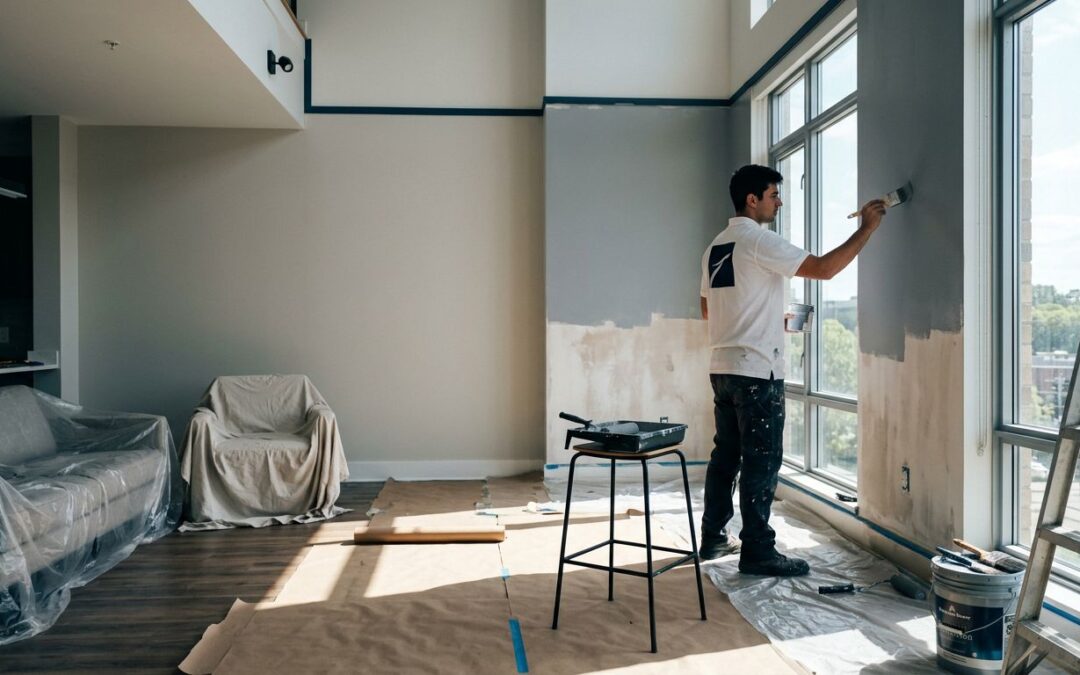
A fresh coat of paint acts as the ultimate home makeover, changing how your space feels faster than almost any other update. Still, an interior paint project involves more than simply choosing a color and waiting for the walls to dry.
A professional crew should make the process clear from the first estimate through the final walkthrough. When you know what happens at each stage, it is easier to plan your schedule, protect your home, and feel confident about the finished result.
Key Takeaways
- A detailed estimate should cover surfaces, necessary prep work, paint products, repairs, scheduling, and project expectations.
- High-quality interior painting starts with careful protection and thorough surface preparation, rather than just the first brush stroke.
- Your painters will need reasonable access to the work areas, along with a clear plan for pets, furniture, and your daily routines.
- Drying time, room use, and project length depend on the condition of the surfaces, the paint selected, and the overall scope of work.
- A final walkthrough gives you the chance to review every painted area before the project is officially complete.
The Estimate Sets the Tone for the Project
The best painting projects begin with a conversation, not a rushed quote. During an in-home estimate, a Residential Painting Contractor should look closely at your walls, ceilings, trim and molding, interior doors, and other surfaces that need attention.
This is the time to point out nail holes, water stains, peeling paint, cracks, scuffed baseboards, or areas that have been repaired before. Small issues can affect the final finish. A professional painter should explain what can be repaired, what may require additional work, and how those details affect the scope of the project.
Color selection is also part of the early planning process. You may already have a favorite paint color, or you may be looking at a dozen samples taped to the wall to determine the perfect accent color. Light changes throughout the day in Raleigh, Durham, Chapel Hill, and Wake Forest homes, especially in rooms with large windows or shaded exposures. A paint colors choice that looks soft gray in the morning can appear cooler or darker after sunset, which is why testing your entire color palette in different lighting conditions is essential.
A clear estimate should help you understand:
- Which rooms, walls, ceilings, interior doors, and trim and molding are included
- What prep work is needed before painting begins
- Whether primer, stain-blocking products, or specialty coatings are recommended
- How long the work is expected to take
- What you should move or prepare before the crew arrives
If you are comparing House Painting estimates, look beyond the bottom line. A lower price may not include wall repairs, thorough masking, quality paint, or enough time for proper preparation. While it is tempting to seek the most cost-effective option, a lower price often excludes the necessary labor required for a lasting result. The goal is not simply to cover the old color. It is to leave your home with a clean, durable, polished finish.
Prep Work Is Where Quality Painting Begins
The visible transformation starts with paint, but the lasting work happens before the first stroke is applied. Expert prep work is what separates a quick color change from a professional finish that looks smooth, clean, and consistent.
Your crew will typically protect floors, furniture, counters, fixtures, and nearby surfaces with drop cloths, plastic, paper, and painters tape. Smaller furnishings may be moved to the center of the room and covered. In some cases, homeowners may be asked to remove fragile decor, wall hangings, electronics, and personal items before the project starts.
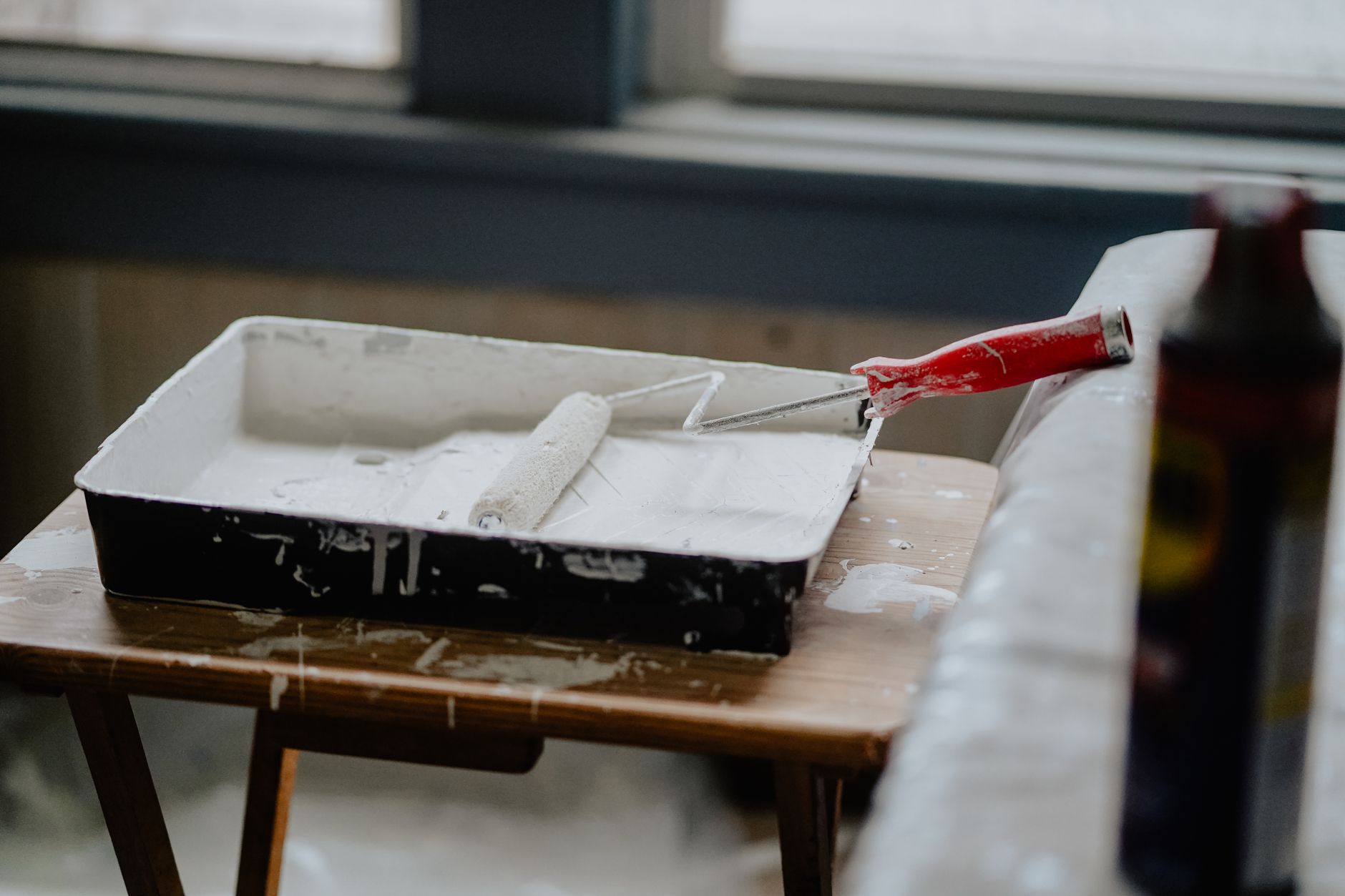
Photo by Karl Solano
Walls are then cleaned as needed, patched, sanded, and treated with primer. Trim and doors may need additional attention because they show every dent, drip, and brush mark. If your home has glossy painted surfaces, the crew may scuff-sand them so the new coating bonds properly.
Paint cannot hide every surface issue. Careful patching, sanding, and priming give the finish a much better foundation.
Some projects also include repairs beyond standard wall preparation. Popcorn removal, for example, requires room protection, controlled removal, smoothing, and priming before the new ceiling finish can be applied. It is a more involved process, but it can make an older room feel brighter and more current.
Cabinet painting and furniture painting also follow a different path than standard wall painting. Doors and drawer fronts are usually removed, labeled, cleaned, sanded, and coated with products made for high-touch surfaces. Kitchen cabinets need time to cure, so your painter should explain when they can be used normally after the work is complete.
A dependable residential painting company will not rush through the initial stages to get paint on the wall faster. Proper protection and thorough surface preparation take time because they directly affect the appearance and durability of the finished work.
What Daily Life Looks Like While Painting Is Underway
Most homeowners can remain in their home during interior painting, especially when work is planned room by room. Still, there will be temporary disruption. Furniture may be covered, rooms may be unavailable for part of the day, and there may be a mild odor while acrylic paint is being applied.
A professional crew should arrive when expected, review the plan for the day, and keep the work area orderly to ensure a professional finish. You should know which rooms are being painted, when you can use them again, and whether any access points need to stay clear.
Bedrooms, bathrooms, kitchens, and home offices often need a little extra planning. If a bedroom is being painted, you may need another place to sleep for the night. If a kitchen is being updated, you may want to prepare meals ahead of time or use a temporary setup in another room. For a home office, ask whether the crew can begin in a different area or schedule the space around an important meeting.
Pets need a plan, too. Paint crews may be carrying ladders, supplies, and open cans through the home. Dogs and cats are safer and less stressed in a closed room away from the work area, with food, water, and a familiar place to rest.
Communication makes the entire project easier. Let the crew know about security systems, gated entries, parking limitations, children who nap during the day, or areas that need special care. In return, the crew should keep you updated if they find hidden damage, need approval for an added repair, or need to adjust the schedule because of drying conditions.
Interior work is usually less affected by weather than exterior painting, but North Carolina humidity can still influence drying time. Paint products, room temperature, airflow, and the number of coats all matter when working with acrylic paint. A quality painter follows the product directions rather than forcing the next coat too soon, as this patience is essential for achieving a professional finish.
The Painting Process Is Methodical, Not Messy
Once preparation is complete, the crew begins with the order that makes the most sense for the room. A painted ceiling is often addressed before walls, followed by trim, doors, and detailed areas. In other cases, trim may be completed first, depending on the products and finish being used.
Painters usually begin by cutting in clean lines around ceilings, corners, windows, and trim before using a paint roller for larger wall areas. While the brush handles the detail work, the roller provides even coverage across broad surfaces, often utilizing back rolling techniques to ensure the paint texture remains uniform. Multiple coats may be needed, particularly when changing from a dark color to a lighter one or when painting fresh repairs. Professionals often perform light sanding between coats to remove imperfections and ensure a smooth, professional finish.
When it comes to trim and detailed areas, painters typically use semi-gloss paint, as this finish provides the durability and sheen necessary for high-traffic surfaces. Do not be surprised if the room looks uneven during the first coat. Paint can appear patchy while it is wet or still drying. Coverage becomes more consistent as the coating dries and the final coat is applied.
You may also notice small touch-ups happening throughout the day. Professional painters inspect their work as they go. They check for missed spots, thin coverage, drips, debris, and uneven sheen before moving on.
A clean worksite matters as much as a clean finish. Drop cloths should stay in place while work is underway, tools should be organized, and paint materials should not be left where children or pets can reach them. At the end of each day, the crew should leave your home safe and reasonably usable, even if the project continues the next morning.
The Final Walkthrough Brings Everything Together
When painting is complete, the crew should remove masking materials, reinstall outlet covers where applicable, return furniture to its place, and collect project debris. The room should feel finished, not like a construction zone waiting for someone else to clean up.
The final walkthrough is your opportunity to review the work in normal lighting. Look at the walls from different angles to ensure the chosen paint colors look consistent across the entire space. Check the crispness of the lines where an accent color meets the ceiling or adjacent trim. Inspect the edges around doors and windows as well. Open and close painted doors and cabinets if they were part of the project to ensure everything operates smoothly.
If you see an area that needs attention, point it out. A quality Interior Residential Painting Contractor wants to address reasonable touch-ups before the job is closed. This final review is not an awkward formality. It is part of getting the result you were promised.
Keep in mind that fresh paint needs time to fully cure. Avoid aggressive cleaning, placing tape on newly painted surfaces, or pressing furniture tightly against walls right away. While your crew is not there to provide a painting tutorial, they will happily explain the specific care instructions and maintenance guidance for the paint used in your home.
Frequently Asked Questions
How long should I plan to be away from a room while it is being painted?
While most rooms remain accessible during the day, it is often best to keep the space clear while the crew is actively working. Depending on the room’s function and the number of coats required, you may need to plan for a temporary alternative space for 24 to 48 hours until the paint is dry and the workspace is cleared.
Should I move my own furniture and decor before the painters arrive?
Your painting team will typically handle the relocation of larger furniture and use protective coverings to ensure everything stays clean. However, it is generally helpful for you to clear out personal items, breakables, and wall hangings beforehand to allow the crew to move quickly and safely throughout your home.
Will the paint smell linger in my home after the project is finished?
Most modern interior paints are low-VOC and have a much milder odor than older formulations. While you might notice a subtle scent immediately after application, proper ventilation and airflow will help the smell dissipate quickly, usually within a day or two of the project completion.
How soon can I clean my walls or hang decor after the paint is dry?
While the paint may feel dry to the touch within a few hours, it takes time to fully cure and reach its maximum durability. It is recommended to wait at least a few weeks before performing any deep cleaning or hanging heavy items to ensure you do not damage the fresh finish.
A Well-Planned Paint Project Feels Simple
A successful interior paint project is built on clear communication, careful preparation, skilled application, and a thorough final review. While selecting the right paint colors can truly transform the atmosphere of your home, the success of the project ultimately depends on the people, the process, and the team’s unwavering attention to detail.
When your professional crew respects your home, explains the work clearly, and leaves each room clean and polished, the temporary disruption of an interior paint project becomes a minor detail compared to the lasting, beautiful results. With a solid plan in place, you can enjoy your refreshed space knowing every aspect of the transformation was handled with precision.