
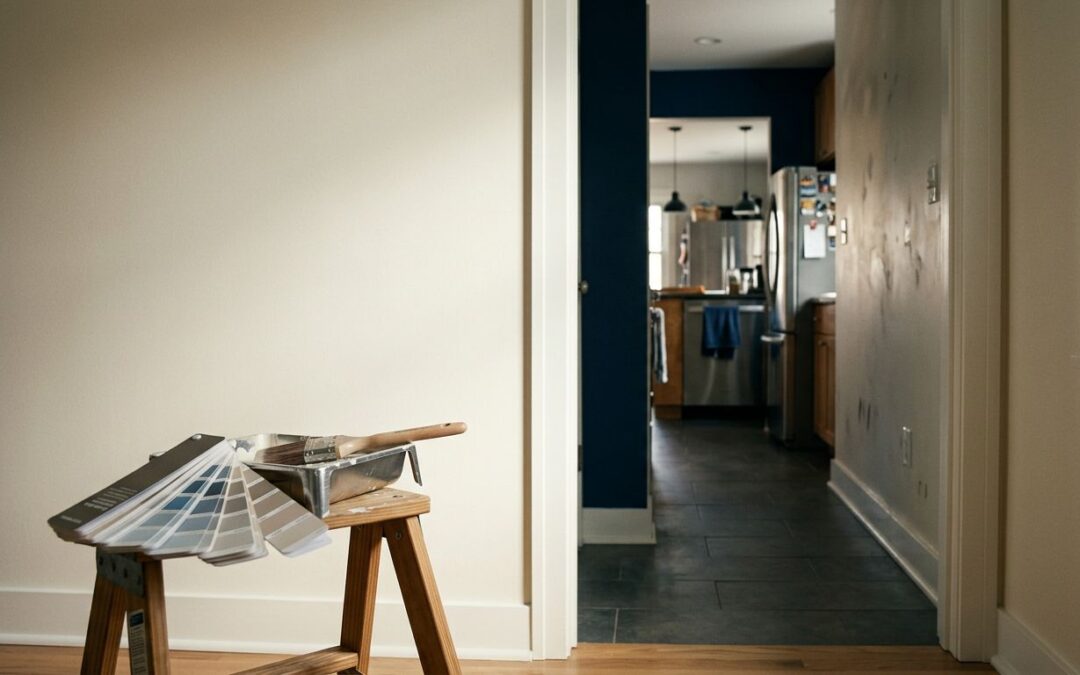
A fresh coat of paint can make a room feel clean, calm, and complete. Paint also protects drywall, covers everyday wear, and helps your home look well cared for.
The right interior painting frequency depends on the room, the quality and durability of your interior paint, and how your household uses the space. Quieter spaces may look great for years, while heavily used areas can show scuffs within a single season.
Key Takeaways
- Interior painting frequency depends on room use, foot traffic, moisture, sunlight, pets, children, and the quality of the paint and surface preparation.
- Hallways, entryways, kitchens, bathrooms, kids’ bedrooms, and trim often need repainting every 2 to 5 years, while living rooms, dining rooms, adult bedrooms, and ceilings may last 5 to 10 years.
- Repaint when you notice fading, stubborn scuffs, peeling, bubbling, chalky patches, water stains, mildew, soft drywall, or an outdated color.
- Proper cleaning, repairs, sanding, priming, and choosing a finish suited to the room can help a paint job last longer.
- Touch-ups are useful for minor marks, but professional painters are often the better choice for full rooms, extensive repairs, water damage, stairwells, and occupied homes.
Your Lifestyle Shapes Repainting Needs
There is no single painting schedule for every room. Foot traffic, moisture, sunlight, pets, children, cooking, and cleaning all influence wear and tear, especially in high-traffic areas.
Use these ranges as a practical guide, then adjust them based on your walls’ condition.
| Room or Surface | Typical Repainting Schedule | Why It Wears |
|---|---|---|
| Hallways and entryways | Every 2 to 3 years | Scuffs, fingerprints, bags, shoes, and daily traffic |
| Kitchens and bathrooms | Every 3 to 4 years | Grease, steam, humidity, and frequent cleaning |
| kids bedrooms | Every 3 to 4 years | Marks, color changes, artwork, and active use |
| Living rooms | Every 5 to 7 years | Moderate traffic and gradual fading |
| Dining rooms | Every 5 to 7 years | Moderate traffic and occasional spills |
| Adult bedrooms | Every 7 to 10 years | Lower traffic and less frequent cleaning |
| Ceilings | Every 8 to 10 years | Yellowing, smoke residue, water stains, and age |
| baseboards and trim | Every 3 to 5 years | Chips, handprints, vacuum marks, and daily contact |
Seven to 10 years is a helpful indoor starting point, as explained in Clements Paint’s guide to paint lifespan. The quality of paint can change that range. The kitchen and bathroom may need repainting sooner because moisture and humidity wear on their walls.
In Raleigh, Durham, Chapel Hill, and Wake Forest homes, these passageways often need attention first. They collect shoe marks, stroller marks, wall scuffs, pet scratches, and other signs of daily life that become hard to ignore once you see them. Learn more about our professional interior painting services
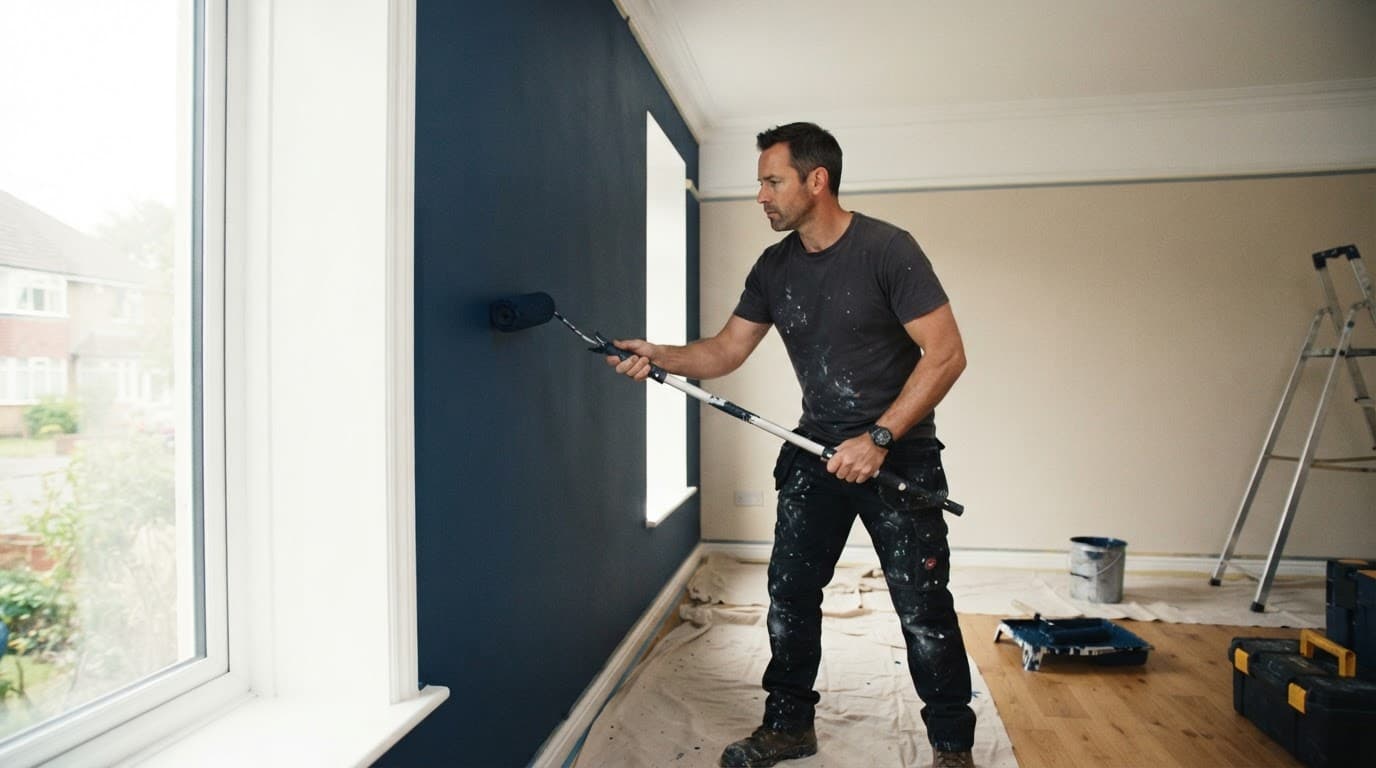
What Shortens the Life of Interior Paint?
The quality of paint and adequate surface prep both affect how long a coating lasts. Even a durable product can fail early when the wall is not cleaned and repaired properly.
Natural light can reveal fading caused by sun damage. Strong afternoon light can bleach darker colors and make one wall look noticeably different from the rest of the room. South-facing and west-facing rooms often show this first, especially when blinds stay open during North Carolina’s bright summer months.
Heat can add to the problem. It puts stress on the coating over time, particularly near large windows, sunrooms, and glass doors. Window treatments and UV-filtering film can reduce fading while protecting floors and furniture.
Moisture creates another set of concerns in the kitchen and bathroom. Moisture and humidity from cooking, showers, and condensation can cause coating failure, while cooking oils and splatters add to the strain. If the exhaust fan is weak or rarely used, surfaces may bubble, peel, or develop stains near showers and ceilings. Stains or soft surfaces may indicate water damage, not just a cosmetic issue.
Pets and children also change the schedule. Washable paints make everyday cleaning easier, but repeated scrubbing eventually dulls even good coatings. In high-traffic areas, repeated contact from backpacks, laundry baskets, and furniture is ordinary wear and tear. Hallways and entryways often show this first.
A paint job rarely fails all at once. The edges, high-touch areas, and sun-facing walls usually show the first signs.
For a broader view of how room use affects coating durability, see this interior paint longevity guide. Your home does not need to follow a rigid calendar. It needs a plan that matches its condition.
Signs You Should Repaint Interior Walls
Sometimes a new color is reason enough to repaint. Other times, the walls are asking for attention long before a full room makeover is on your mind.
Look closely in natural light, then check walls under your normal evening lighting. Repaint interior walls when you notice:
- Fading or uneven color caused by sun damage near windows, doors, and light fixtures.
- Stubborn wall scuffs, handprints, or stains that do not come off with gentle cleaning.
- Paint that can peel and crack around trim, ceilings, and damp areas.
- A chalky feel or dull patches where frequent washing and normal wear and tear have worn down the finish.
- Water stains, mildew marks, or soft drywall that require repair before painting.
- An outdated color that no longer fits your flooring, furniture, or decor changes.
Use these signs to decide whether to repaint interior walls now or include the work with other repairs.
Peeling and bubbling need more than a quick coat of paint. Leaks, water damage, or poor bathroom ventilation should be corrected first. Paint can cover a repaired surface. It cannot solve the problem behind it.
A clean wall that still looks tired may benefit from a fresh coat of paint, too. Pale colors can yellow with age, and white trim often shows a difference after years of cooking residue, candles, and ordinary dust.
Surface Prep and Paint Choice Make the Difference
How long a finish lasts depends partly on how the previous paint job was completed. Cleaning, repairs, sanding, and dust removal help determine whether the new coating bonds properly.
Proper surface prep gives new paint a clean, stable surface to grip. That means moving furniture, protecting floors, repairing dents and nail holes, sanding rough patches, and removing dust before the first coat goes on. Grease around kitchen walls should be cleaned with a degreasing solution. Glossy surfaces may need light sanding or bonding primer.
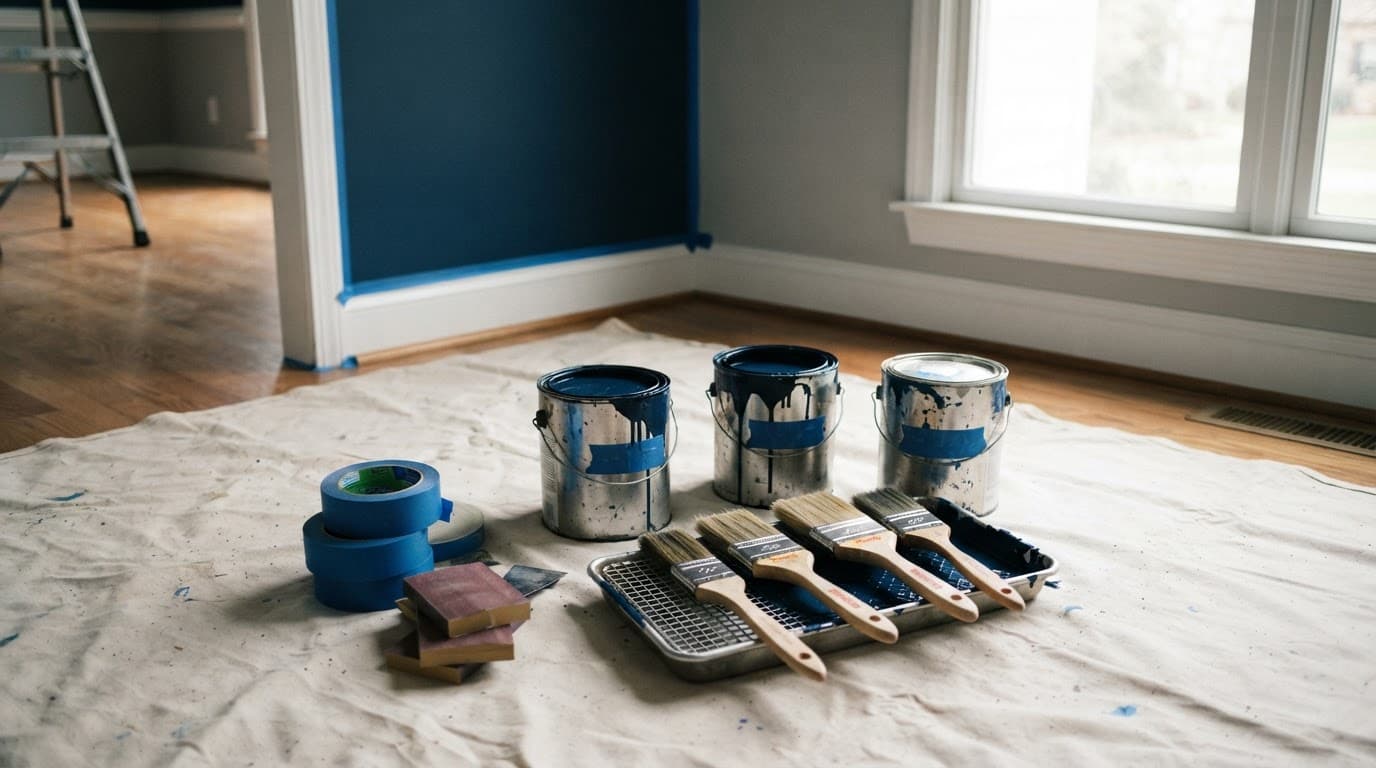
Choose a Finish That Fits the Room
Paint sheen matters because it affects both appearance and cleanability. It also influences how interior paint looks after repeated cleaning. Flat paint softens the look of imperfect walls, but standard flat finishes can mark or burnish when scrubbed. A premium washable matte is often a better choice for living rooms, bedrooms, and open-concept spaces where you want a low-sheen look with easier cleaning.
Eggshell and satin finishes are common choices for areas exposed to frequent cleaning, moisture and humidity. They offer more resistance to stains and damp conditions than many flat paints. Satin is durable, though its slight sheen can reveal uneven drywall repairs if prep work is rushed.
Semi-gloss paint is usually best for baseboards and trim, as well as doors. These surfaces receive frequent contact and benefit from a tougher, easier-to-clean finish.
The quality of paint depends largely on its binder and finish. Better waterborne acrylic paints form a stronger film after curing, helping them stand up to wiping and routine cleaning. Cheap paint may cover unevenly, stain more easily, and require another coat sooner.
A Lasting Paint Job Follows a Clear Process
A professional interior painting project should include more than rolling color onto a wall. Professional painters follow an inspection, repair, cleaning, priming, and coating sequence.
That careful process includes:
- Inspecting walls, ceilings, trim, and problem areas before choosing products.
- Repairing holes, cracks, water damage, and loose drywall tape.
- Cleaning, sanding, caulking, and priming surfaces where needed.
- Applying the correct number of coats with the right tools and drying time.
- Completing a final walkthrough to check coverage, clean lines, and finish quality.
If you are also updating cabinets or ceilings, it is smart to plan the work together. Cabinet painting often changes the entire look of a kitchen, while popcorn removal can make a room feel brighter and more current before the ceiling and walls are painted.
DIY Touch-Ups or Professional House Painting?
Small touch-ups can work well when you have leftover paint, a clean wall, and a minor mark such as wall scuffs. The color must match, and the paint needs to be mixed thoroughly. Even then, touch-ups can flash in certain lighting, especially on darker walls or satin finishes.
For full rooms, water stains, extensive repairs, stairwells, or occupied homes, professional painters often deliver a cleaner, longer-lasting paint job. The cost of that paint job reflects preparation, premium materials, labor, protection for your belongings, and the time needed to work carefully.
A local team of interior house painters can also help with color choices that fit your lighting, flooring, and existing finishes. Their guidance is useful when testing those choices in natural light, since a small store sample may look warm but turn cool or gray on a large wall.
When comparing a Residential Painting Contractor, ask what preparation is included, which paint products they recommend, and how furniture and floors are protected. Confirm whether the estimate includes repairs such as water damage, then compare value rather than only the lowest number.
Keep exterior painting on its own painting schedule. Sun, rain, humidity, and siding materials create different maintenance needs, as outlined in CertaPro’s home painting interval guide.
Frequently Asked Questions
How often should interior walls be repainted?
Most interior walls need repainting every 5 to 10 years, depending on the room and household use. High-traffic areas may need attention every 2 to 3 years, while adult bedrooms can often last 7 to 10 years.
Which rooms need repainting most often?
Hallways, entryways, kitchens, bathrooms, kids’ bedrooms, and trim usually show wear first. Foot traffic, moisture, frequent cleaning, fingerprints, and everyday contact shorten the life of interior paint.
What are the signs that it is time to repaint?
Look for fading, stubborn scuffs, stains, peeling, cracks, chalky patches, mildew, water damage, or a color that no longer suits the room. Peeling, bubbling, and soft drywall should be repaired and checked for underlying moisture problems before painting.
Does surface preparation affect how long paint lasts?
Yes. Cleaning, repairing, sanding, priming, and removing dust help the new coating bond properly and improve its durability.
Which paint finish is best for frequently used rooms?
Eggshell and satin finishes are practical for rooms exposed to frequent cleaning, moisture, and everyday wear. Semi-gloss is typically a good choice for baseboards, trim, and doors, while a washable matte can provide a lower-sheen look in living rooms and bedrooms.
Keep Your Home Looking Fresh on the Right Schedule
The best interior painting frequency depends on how your home looks and functions, not a date circled on the calendar. A practical painting schedule prioritizes high-traffic areas and considers visible wear and tear, room use, and coating durability.
Careful preparation and durable materials can extend the life of a paint job, making repainting a sensible part of home maintenance. When walls look worn, faded, or difficult to clean, a fresh coat of paint can protect your home and restore its clean, polished feel.
If your walls, ceilings, or trim are starting to show signs of wear, Paint & Co. can help refresh your home with professional interior painting services. Click here to request a free estimate for your interior painting project.